Small-Space Balcony Gardening: Four Mistakes and How to Fix Them
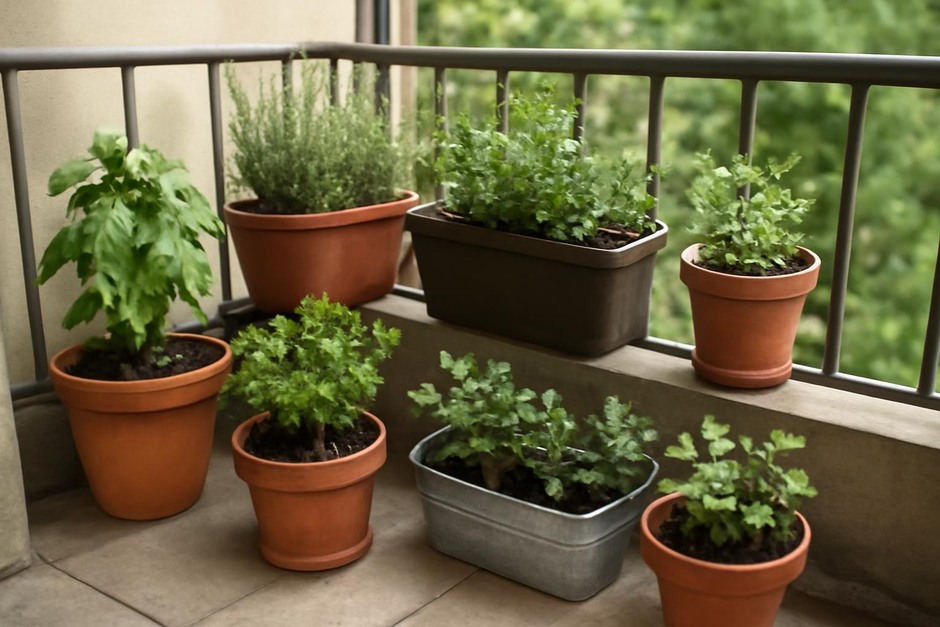
Balconies can be a gentle extension of home: a place for a morning coffee, a few herbs, or a patch of color. Yet the same compact space that invites creativity also exposes common missteps. The following observation and checklist focus on four themes that often limit plant health on small balconies: containers and drainage, watering habits, soil and feeding, and microclimate awareness. Each section offers a calm correction rather than a dramatic overhaul, so you can make steady improvements without starting from scratch.
1. Container Choice and Drainage
Observation: People often choose containers because they match the décor, not because they suit plant needs. Pots with poor drainage or shallow profiles are a frequent culprit.
- Mistake: Using decorative bowls or sealed planters without drainage holes.
- Why it matters: Poor drainage traps water, leading to root rot and reduced oxygen for roots.
- Correction: Prefer pots with drainage holes. If a favorite decorative container lacks a hole, place a smaller drainage‑hole pot inside, or add a well‑fitting saucer and a thin layer of gravel to lift roots above pooled water. Ensure the inner pot isn’t sitting in standing water for long.
- Correction: Consider depth: many vegetables and shrubs need deeper pots, while herbs and annuals thrive in shallower ones. Match the plant’s root habit to pot depth.
2. Watering Habits
Observation: Overwatering and underwatering are both common on balconies, partly because potted plants experience quicker swings in moisture than in‑ground beds.
- Mistake: Watering on a fixed schedule without checking the soil.
- Why it matters: Weather, wind, pot material, and plant size all change how quickly containers dry out.
- Correction: Use the finger test: push a finger 2–3 cm into the soil. If it feels dry, water; if it’s cool and slightly moist, wait. For larger pots, a longer probe keeps you accurate.
- Correction: Water deeply and less frequently rather than shallow surface watering. This encourages roots to explore the pot rather than hug the edge.
- Correction: In hot, windy conditions, consider early morning watering to reduce evaporation and stress.
3. Soil Mix and Feeding
Observation: Regular garden soil is too heavy for containers and often lacks the structure and nutrients potted plants need.
- Mistake: Using backyard soil or a single, generic potting mix without adjusting for drainage and fertility.
- Why it matters: Heavy soils compact in pots, impeding roots and drainage; nutrient levels can be inconsistent over a season.
- Correction: Choose a light, well‑draining potting mix formulated for containers. For Mediterranean herbs and succulents, increase mineral content with grit or sand; for vegetables, select a mix with higher organic matter.
- Correction: Feed plants with a balanced, moderate fertilizer during the growing season. Container plants use nutrients faster and benefit from periodic feeding rather than heavy, infrequent doses.
4. Microclimate and Plant Placement
Observation: Balconies have microclimates—variations in sun, wind, and temperature—that can be overlooked when arranging plants purely by appearance.
- Mistake: Assuming the whole balcony gets the same light and wind exposure.
- Why it matters: A plant placed in the brightest corner may scorch, while one in a shaded nook may linger without growth.
- Correction: Map your space. Note where sun falls through the day, where wind funnels, and where temperature changes occur near walls or railings. Group plants by similar needs—full sun, part shade, or shelter from wind.
- Correction: Use movable planters or wheeled stands for seasonal repositioning. Even a small change can protect tender plants in summer heat or bring light to seedlings in spring.
Balcony gardening is less about perfection and more about observation. Each plant offers signals—leaf color, soil moisture, growth rate—that guide gentle corrections. Tending a small space combines practical decisions (drainage, soil, watering) with simple habits (checking and moving plants). Over time, these small adjustments add up to a resilient, pleasant balcony that fits your routine.
Conclusion: Treat balcony gardening as a slow experiment rather than a single project. Address container drainage, refine your watering, choose an appropriate soil mix, and respect the microclimate. Use the checklist above to correct common errors one by one. The result is a modest, enjoyable outdoor room where plants and people both thrive.